
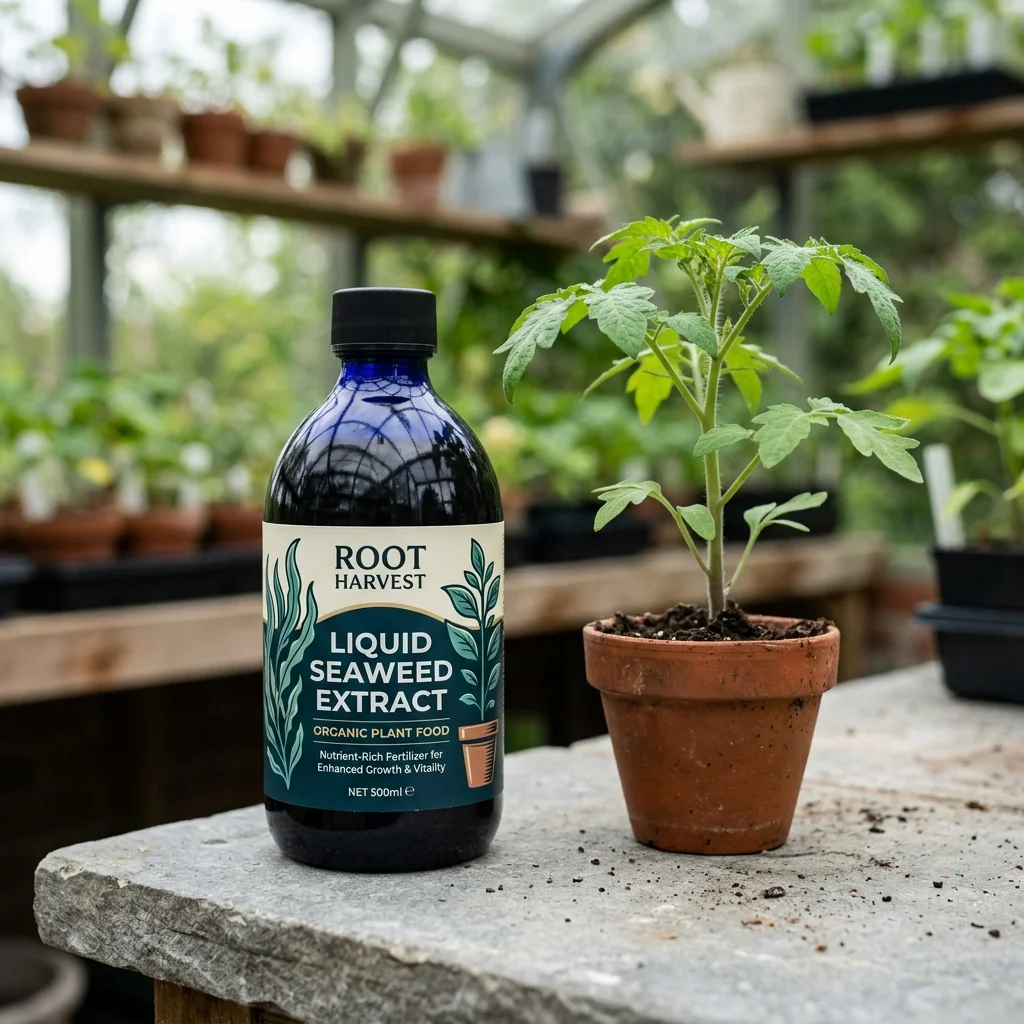
Soil is not just dirt; it is a living, breathing ecosystem that forms the very foundation of all life on earth. For the modern farmer, understanding the biological, physical, and chemical properties of their land is the first step toward achieving a truly sustainable and productive harvest. When we look at a handful of healthy soil, we are looking at billions of microorganisms working in harmony to support plant life. These microscopic allies are responsible for nutrient cycling, carbon sequestration, and the natural filtration of water.
Why Soil Health Matters
Healthy soil acts as a reservoir for water, a buffer against environmental stressors, and a thriving community for beneficial microbes. When we use chemical fertilizers, we often provide immediate nutrients to the plants but at the cost of the soil’s long-term vitality. Organic practices, however, focus on building the soil from the ground up, ensuring that the land remains fertile for generations to come. This approach doesn’t just produce food; it builds resilience against drought and floods.
The Role of Microbial Activity
Microbes are the unsung heroes of the farm. They break down organic matter into accessible nutrients, improve soil structure, and even help plants resist diseases. By incorporating bio-stimulants like Amrut Jal and Ghan Jivamrut, farmers can supercharge this microbial activity, leading to faster growth and stronger root systems without the need for synthetic interventions. This biological boost helps create a closed-loop system where the farm supports itself through natural processes.
Nutrient Cycling and Sustainability
In a natural forest, nutrients are constantly recycled through decaying leaves and wood. In agricultural systems, we often break this cycle by removing crops without replacing the lost organic matter. Rebuilding this cycle is paramount. By returning organic waste to the field in the form of high-quality compost and granules, we close the gap, reducing the need for external inputs and creating a truly circular agricultural model that is both economically and ecologically sound.
Steps to Improve Your Soil
- Introduce high-quality organic matter regularly to build carbon levels and improve texture.
- Minimize soil disturbance (no-till) to protect delicate fungal networks and avoid carbon loss.
- Use diverse cover crops to prevent erosion and add natural nitrogen back to the earth.
- Monitor moisture levels to ensure the living organisms in the soil stay hydrated and active year-round.
- Implement crop rotation to break pest cycles and balance nutrient extraction naturally.
Adapting to Climate Challenges
Furthermore, the physical structure of the soil determines how well it can hold air and water. Compacted soil starves roots of oxygen and causes runoff, wasting precious water and nutrients. Organic matter acts like a sponge, opening up the soil structure and increasing its water-holding capacity significantly—a crucial factor in adapting to changing climate patterns. A 1% increase in soil organic matter can allow the land to hold an additional 20,000 gallons of water per acre.
By shifting our focus from ‘feeding the plant’ to ‘nurturing the soil’, we create an environment where crops can thrive naturally, resisting pests and diseases while delivering superior nutritional value to consumers. This holistic approach is the core philosophy at Gauhet, where we believe that the best solutions come from working with nature, not against it. We are not just farming for today; we are stewarding the earth for the future of our planet and its people.